
Simple Daily Empathy Exercises to Enhance Your Emotional Intelligence
Introduction
Welcome to the world of empathy exercises, where understanding others is not just a skill but an art form! If you’ve ever found yourself wondering why some people seem to connect effortlessly while others struggle, you’re in the right place. This blog post will serve as your guide to enhancing your emotional intelligence through simple yet effective daily practices.
First off, let’s clarify what we mean by empathy and emotional intelligence. Empathy is that magical ability to put yourself in someone else’s shoes-seeing the world through their eyes, feeling their feelings, and understanding their perspective. Emotional intelligence, on the other hand, is the broader skill set that encompasses empathy along with self-awareness, self-regulation, and social skills. Think of it as the Swiss Army knife of interpersonal interactions!
Did you know? According to a study by TalentSmart, 90% of top performers in the workplace possess high emotional intelligence. This means that cultivating empathy isn’t just nice-it’s necessary for success!
Why Should You Care?
In both personal and professional contexts, empathy plays a pivotal role. It fosters stronger relationships, enhances teamwork, and promotes a culture of compassion. Imagine walking into a meeting where everyone genuinely understands each other’s viewpoints-talk about productivity! Plus, when you develop your empathy skills, you’re not just improving yourself; you’re also contributing to a more harmonious environment.
What’s in Store?
This blog post will delve into various empathy development activities designed for everyday practice. From engaging in perspective-taking exercises to honing your active listening skills, we’ll cover it all! Here’s a sneak peek at what you can expect:
- Definition of Empathy and Emotional Intelligence: A deep dive into these essential concepts.
- The Importance of Empathy: Why it matters now more than ever.
- A Treasure Trove of Exercises: Practical activities to boost your empathetic abilities.
- Common Misconceptions: Debunking myths surrounding empathy training.
- Your Next Steps: How to incorporate these strategies into your daily life.
If you’re ready to embark on this journey towards greater emotional awareness and connection with others, grab a cup of coffee (or tea) and let’s dive in!
Understanding Empathy Exercises
What are empathy exercises?
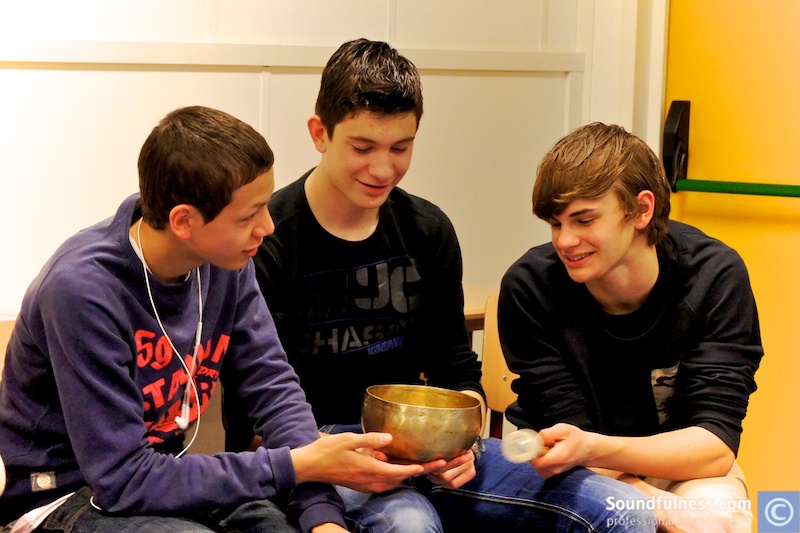
Empathy exercises are activities designed to enhance your ability to understand and share the feelings of others. Think of them as workouts for your emotional intelligence muscles! Just like you wouldn’t skip leg day at the gym, you shouldn’t skip out on empathy training if you want to boost your interpersonal skills.
These exercises can take many forms, from simple mindfulness practices to more structured activities like role-playing for empathy. The goal? To cultivate a deeper sense of connection with those around you. Here are some common types:
- Active Listening Skills: Focusing entirely on what the other person is saying without planning your response.
- Perspective-Taking Exercises: Imagining yourself in someone else’s situation to better understand their feelings.
- Compassion Exercises: Practicing kindness and understanding towards others, even those you find challenging.
- Empathy Games for Adults: Fun activities that encourage team bonding while enhancing empathy.
The role of empathy exercises in developing emotional intelligence
The relationship between empathy exercises and emotional intelligence is like peanut butter and jelly-they just go together! By engaging in these activities, you’re not only building your ability to empathize but also enhancing other crucial skills such as self-awareness and social awareness.
A study published in the journal *Emotion* found that individuals who actively practice empathy tend to have better emotional regulation. This means they can manage their own emotions while understanding others’ feelings-a win-win!
An interesting fact: Research from the University of California indicates that participating in group empathy activities can significantly improve teamwork and collaboration within organizations. So, if you’re looking to foster compassion in teams, these exercises are essential!
Benefits of practicing empathy regularly
The benefits of regular empathy practice techniques are numerous, ranging from personal growth to professional success. Here’s why you should make these exercises a part of your daily routine:
- Improved Emotional Understanding: You’ll start recognizing emotions in yourself and others more easily.
- Nurturing Empathetic Relationships at Work: Stronger connections lead to better teamwork and communication.
- Cultivating a Compassionate Culture: Empathy promotes an environment where everyone feels valued and understood.
- Bursting Misconceptions: Regular practice helps debunk common myths about what it means to be empathetic-it’s not just about being nice!
If you’re still on the fence about incorporating empathy development activities, consider this: fostering an empathetic environment can lead to higher employee satisfaction rates. Happy employees mean happy workplaces!
The takeaway? Make it a point to integrate these exercises into your daily life. Whether it’s through mindfulness practices or engaging in social-emotional learning exercises for adults, every little bit helps in enhancing your emotional intelligence and boosting empathetic communication skills. Ready to get started? Your journey towards improved emotional awareness begins now!
Daily Empathy Exercises to Practice

Techniques for Effective Listening
Effective listening is the backbone of any empathy exercise. It’s not just about hearing words; it’s about truly understanding the emotions behind them. To sharpen your active listening skills, try these techniques:
- Maintain Eye Contact: This shows you’re engaged and present.
- Avoid Interrupting: Let the speaker finish their thoughts before jumping in.
- Use Non-Verbal Cues: Nodding or leaning slightly forward can encourage the speaker.
How to Reflect Back What You Hear
Reflecting back what you hear is a powerful way to show that you’re paying attention. It can be as simple as paraphrasing what someone has said, which helps clarify their message and demonstrates understanding. For example, if a friend says they’re stressed about work, you might respond with, “It sounds like you’re feeling overwhelmed with your projects.” This technique not only validates their feelings but also enhances your empathy practice techniques.
Creating a Safe Space for Conversation
A safe space is essential for open dialogue. To create this environment, consider these strategies:
- Be Non-Judgmental: Approach conversations without preconceptions or biases.
- Encourage Sharing: Let others know that their feelings are valid and welcome.
- Practice Patience: Allow silence; sometimes people need time to articulate their thoughts.
Understanding Others’ Viewpoints
Diving into someone else’s perspective can feel like stepping into a different world! Use perspective-taking exercises, such as asking yourself how you would feel in their situation. This not only builds empathy but also enhances your emotional awareness activities.
Practicing Role Reversal in Conversations
This exercise involves switching roles during a discussion. Imagine how your conversation partner feels and express it from their viewpoint. Not only does this foster understanding, but it also highlights the importance of empathy development activities. Try it next time you’re in a disagreement!
The Impact of Perspective on Relationships
Your perspective shapes your reality! Understanding that different viewpoints exist can transform relationships. By practicing empathy regularly, you’ll find that conflicts become less daunting and more manageable.
Daily Prompts for Emotional Reflection
Create a habit of reflecting on your day with prompts such as:
- “What did I learn about someone else’s feelings today?”
- “How did I respond to emotional situations?”
- “What could I have done differently to understand better?”
The Connection Between Writing and Emotional Awareness
If you’re not already journaling, now’s the time! Writing down your thoughts helps clarify emotions and enhances self-awareness. It’s one of those emotional intelligence exercises that pays dividends over time.
Tips for Maintaining a Consistent Journaling Practice
- Create a Routine: Set aside time each day to write.
- Keeps Your Journal Accessible: Have it nearby so you can jot down thoughts as they come.
- Dive Deep: Don’t shy away from difficult emotions; explore them!
Description of an Empathy Map and Its Components
An empathy map is a visual tool that helps you understand others better by mapping out what they say, think, feel, and do. It’s like creating an emotional profile! Components include:
- Says: Direct quotes from the person.
- Thinks: Their beliefs or worries.
- Feels: Emotions experienced during interactions.
- Does: Actions taken in response to situations.
How to Create an Empathy Map with Real-Life Scenarios
Select someone you want to understand better-perhaps a colleague or friend-and fill out an empathy map based on conversations you’ve had with them. This hands-on activity is one of the best empathy building strategies for workplaces.
The Benefits of Visualizing Others’ Experiences and Feelings
The more we visualize others’ experiences, the stronger our empathetic connections become! By engaging in these daily exercises, we enhance our ability to communicate effectively and nurture relationships both personally and professionally.
The takeaway? Incorporating these daily empathy exercises, from active listening to role reversal practices, will significantly improve your emotional intelligence skills over time. So why wait? Start today!
Tips for Incorporating Empathy Exercises into Daily Life

Cultivating a Routine Around Empathy Practices
Just like your morning coffee, integrating empathy exercises into your daily routine can kickstart your emotional intelligence! Start small-maybe dedicate five minutes each morning to reflect on how you can be more empathetic that day. Think of it as your daily mental stretch to warm up those empathy muscles!
Minding Your Language and Tone in Conversations
Your words are powerful tools, so wield them wisely! When engaging in conversations, pay attention not just to what you say but how you say it. Using a warm tone and inclusive language can make a world of difference. Instead of saying, “You should try this,” consider rephrasing it as, “Have you thought about trying this?” This subtle shift can foster a more empathetic dialogue.
The Importance of Self-Care in Enhancing Your Empathetic Abilities
Here’s a little secret: you can’t pour from an empty cup! Prioritizing self-care is essential for effective empathy training. When you take care of yourself-whether through exercise, meditation, or simply indulging in your favorite hobby-you’re better equipped to understand and support others. Think of self-care as the fuel that powers your empathy engine!
Setting Reminders to Practice Daily Exercises
Sometimes we need a gentle nudge to keep our empathy goals on track. Set reminders on your phone or sticky notes around your workspace to prompt daily empathy development activities. Whether it’s a quick check-in with a colleague or reflecting on someone else’s feelings during lunch, these reminders will help keep empathy at the forefront of your mind.
Cultivating a Supportive Community or Accountability Partner
Empathy is contagious! Surrounding yourself with like-minded individuals who prioritize emotional awareness can amplify your efforts. Consider finding an accountability partner or joining an empathy workshop where you can share experiences and strategies. This supportive community will not only motivate you but also provide valuable insights into enhancing your interpersonal skills through empathy.
The takeaway? Incorporating these tips into your daily life will help solidify your commitment to practicing empathy. Remember, cultivating empathy is not just about understanding others; it’s also about nurturing yourself!
The Long-Term Impact of Regular Empathy Practice on Emotional Intelligence

When it comes to empathy exercises, think of them as the gift that keeps on giving! Regular practice doesn’t just make you a nicer person; it transforms your emotional intelligence landscape into a vast, flourishing garden. Let’s dig into the long-term benefits of these practices and how they can reshape your interactions both personally and professionally.
Improving Conflict Resolution Skills
Imagine walking into a room filled with tension, like a pressure cooker ready to blow. Now, picture yourself as the cool cucumber who can diffuse that situation with empathy! Regular engagement in empathy development activities equips you with sharper conflict resolution skills. When you practice understanding others’ perspectives through perspective-taking exercises, you learn to navigate disagreements with grace and ease.
For instance, an employee trained in empathy may approach a colleague’s frustration not as a personal attack but as an opportunity for discussion. This shift in perspective allows for collaborative problem-solving rather than escalating tensions.
Fostering a More Compassionate Work Environment
A workplace filled with empathy is like a well-oiled machine-everything runs smoother! By incorporating regular empathy exercises, you foster an environment where team members feel valued and understood. This leads to higher morale, increased productivity, and lower turnover rates.
- Empathy Workshops: Organizing workshops can help employees practice their skills together, reinforcing team bonds.
- Group Empathy Activities: Engaging in team-building activities centered around empathy can create lasting connections among colleagues.
- Nurturing Empathetic Relationships: When employees feel heard, they are more likely to collaborate effectively and support each other’s growth.
The stats speak volumes: organizations that prioritize empathy training see up to 30% improvement in employee satisfaction rates. Happy employees lead to happy workplaces!
The Ripple Effect of Empathy on Community Wellbeing
The beauty of cultivating empathy extends beyond the office walls. As you enhance your emotional intelligence through consistent practice, you contribute positively to your community. Think of it as tossing a stone into a pond-the ripples spread far and wide!
- Boosting Community Engagement: Individuals who practice empathy are more likely to volunteer or participate in community initiatives.
- Cultivating Compassionate Societies: As more people engage in compassion exercises, communities become more understanding and supportive.
- Improving Overall Wellbeing: A culture rooted in empathy leads to lower crime rates and higher levels of trust among residents.
If you’re skeptical about the impact of these practices, consider this: communities that prioritize empathy development activities often report significant improvements in social cohesion and mental health outcomes. It’s not just about feeling good; it’s about creating tangible change!
The takeaway? Regularly practicing empathy exercises not only enhances your emotional intelligence but also creates lasting positive effects on relationships at work and within your community. So why wait? Start today by integrating these practices into your daily life!