

The wellness community is buzzing about the potential of healing frequencies to influence health and mood. But do healing frequencies work, or is their power overstated? We dive into the latest insights to separate fact from fiction.
Understanding Healing Frequencies
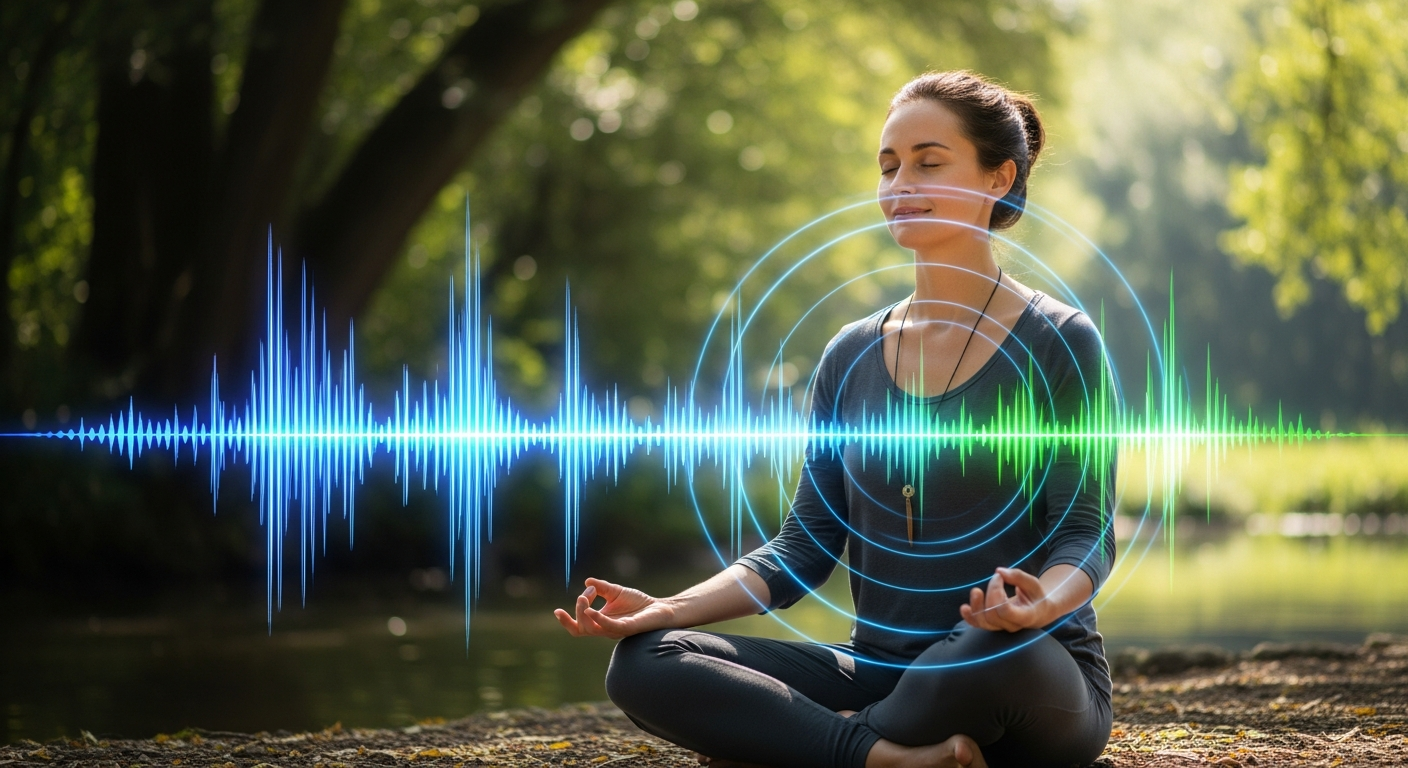
Healing frequencies refer to specific sound or vibrational patterns believed to promote physical, mental, and emotional well-being. Rooted in ancient traditions and modern alternative practices, these frequencies are often used via sound therapy sessions, binaural beats, or vibrational music. In 2025, understanding of these frequencies has evolved with technological advancements that allow precise targeting of therapeutic sound waves designed to stimulate the body’s natural healing mechanisms.
The Science Behind Sound Therapy and Vibrational Healing
How Sound Affects the Body
Scientific research shows that sound waves can influence brain activity, heart rate, and hormone levels. For instance, certain frequencies can induce relaxation or alertness, aligning with neural oscillations known as brainwaves. This mechanism underpins practices such as binaural beats—paired tones played at slightly different frequencies to produce a perceived third tone—that aim to entrain the brain to states associated with relaxation, focus, or sleep.
Vibrational Healing and Its Biological Impact
Vibrational healing focuses on using physical vibrations to stimulate tissues, promote circulation, and accelerate healing. Devices like tuning forks, vibrational mats, or singing bowls emit specific frequencies purported to resonate with cell structures or energy fields, thus aiding in restoring balance or releasing blockages. While still under scientific scrutiny, some studies suggest that vibrational therapy can reduce pain, anxiety, and inflammation.
Current Trends and Popular Practices in Healing Frequencies
- Binaural Beats for Stress Relief: Widely accessible via apps and online platforms, binaural beats continue to be popular for meditation and sleep enhancement, with over 70% of new wellness apps in 2025 incorporating them.
- Vibrational Sound Baths: This immersive practice involves lying down while singing bowls, gongs, and chimes produce harmonic frequencies intended to promote deep relaxation and emotional release.
- Personalized Frequency Devices: Advances in biofeedback and AI enable the creation of custom frequency protocols tailored to an individual’s physiological and emotional profile, gaining popularity among biohackers and wellness enthusiasts.
- Integrative Therapies: Clinics and holistic health centers in 2025 increasingly integrate sound therapy with conventional treatments to enhance recovery and stress management.
Research Findings: Do Healing Frequencies Show Real Effects?
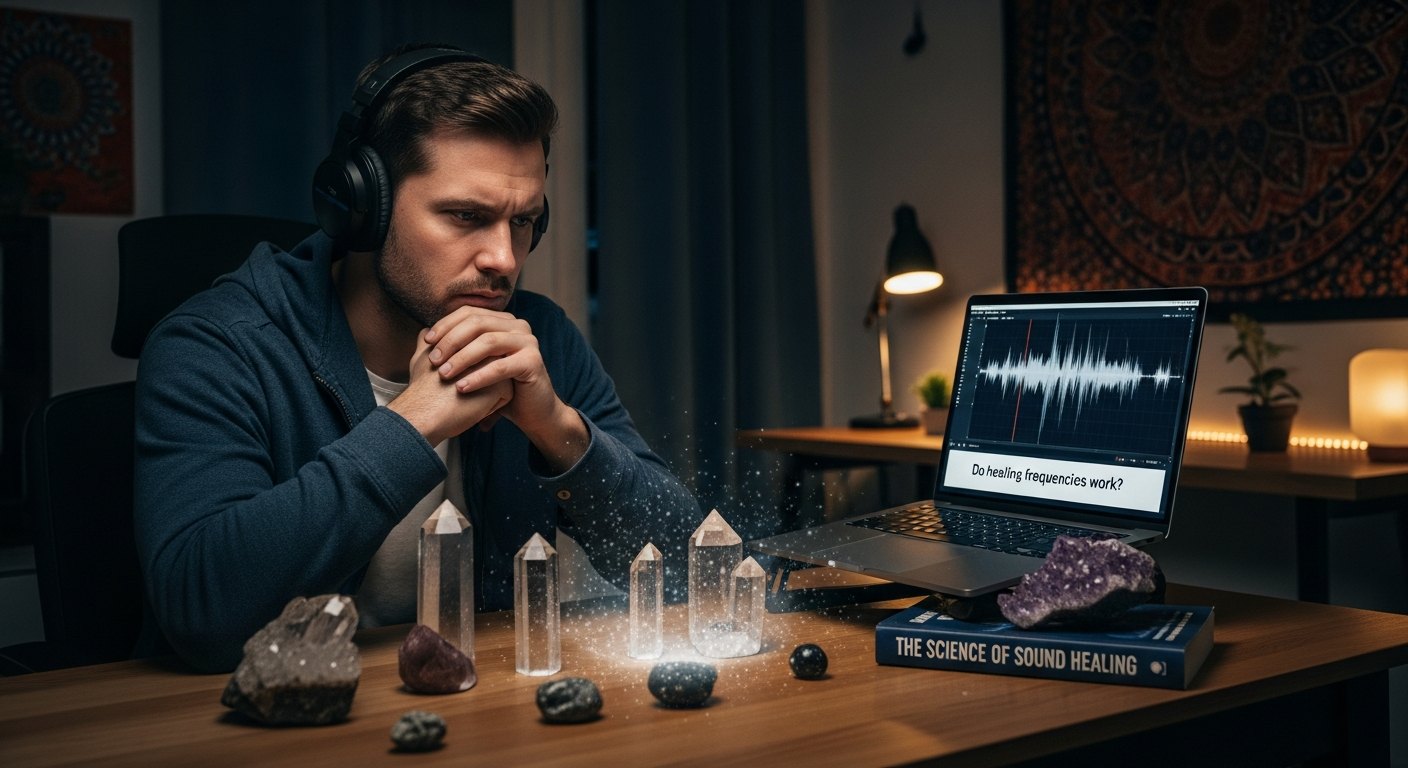
While the science of healing frequencies is still emerging, some recent 2025 studies point to promising results. A 2024 clinical trial published in the Journal of Integrative Medicine found that participants undergoing vibrational sound therapy reported significant reductions in anxiety and perceived pain after four weekly sessions. Additionally, neuroimaging studies indicate that specific sound frequencies can modulate brain activity associated with relaxation and focus.
However, critics argue that some claims are exaggerated, and placebo effects cannot be discounted. It’s important to distinguish between well-documented benefits—such as relaxation through calming sounds—and unproven assertions of curing diseases solely through frequencies.
What Experts Say About the Effectiveness of Healing Frequencies
Experts in neuroscience, integrative medicine, and psychology have diverse opinions on healing frequencies:
Dr. Maria Nguyen, Neuroscientist: “There’s compelling evidence that certain sound patterns can influence brain activity, but claiming that specific frequencies can directly heal illnesses requires more rigorous research. They are valuable as complementary tools for stress reduction and mental clarity.”
Dr. Alan Brooks, Holistic Practitioner: “In my practice, I’ve seen energetic shifts and emotional breakthroughs using sound baths and vibrational therapy. While not a miracle cure, these methods are effective adjuncts for promoting well-being.”
Professor Lisa Carter, Medical Researcher: “Most of the scientific community agrees that, although healing frequencies may influence perception and mood, their role in physical healing remains to be conclusively proven. Ongoing research in 2025 aims to clarify these effects.”
Practical Tips for Trying Healing Frequencies Safely
- Choose reputable sources: Use well-reviewed instruments and certified practitioners who follow safety standards.
- Start with short sessions: Begin with 10-15 minute guided sound meditations to gauge your response.
- Avoid triggering devices if you have seizures: Some sound therapies may not be suitable for individuals with neurological conditions.
- Combine with other practices: Enhance benefits by integrating sound therapy with mindfulness, breathing exercises, or physical activity.
- Stay informed: Follow accredited research and consult healthcare providers if using healing frequencies for specific health issues.
Final Thoughts: Are Healing Frequencies Reaching Their Potential?
Healing frequencies are gaining recognition as a complementary approach within the broader landscape of wellness. While scientific evidence supports their ability to promote relaxation and emotional resilience, claims of direct physical healing should be approached with caution. Advances in technology and ongoing research are likely to clarify their efficacy further in the coming years. For those interested in exploring sound therapy, it offers a safe and potentially beneficial tool to enhance well-being—provided it’s used responsibly and as part of a holistic health routine.
In conclusion, the effectiveness of healing frequencies in 2025 is a blend of scientific curiosity, personal experience, and emerging evidence. As research continues, these vibrational tools may become an integral part of holistic health practices worldwide.